Email List Building: Build an Audience You Can Reach
Email list building is the process of earning permission to communicate regularly with people who may value your ideas, products, or services. Unlike rented attention on social platforms, an email list gives you a direct channel. You can explain changes, teach useful skills, announce offers, and continue conversations even when algorithms shift.
A strong list is not simply a large collection of addresses. It is a permission based audience with a clear reason to remain subscribed. Quality therefore matters more than volume. Subscribers should understand what they will receive, how often messages will arrive, and why opening your emails is worthwhile. When those expectations are honest and consistent, list growth becomes an asset rather than a costly vanity project.
The most effective approach combines a relevant offer, visible signup opportunities, trustworthy consent practices, valuable messages, and continuous improvement. The following guide explains how to create that system from the ground up, avoid common mistakes, and turn subscribers into a loyal audience.
Start With a Clear Value Exchange
People rarely join a list because a business wants more contacts. They subscribe when the benefit is obvious. Your signup promise should answer three questions quickly: What will I receive? How will it help me? What makes this worth sharing my email address?
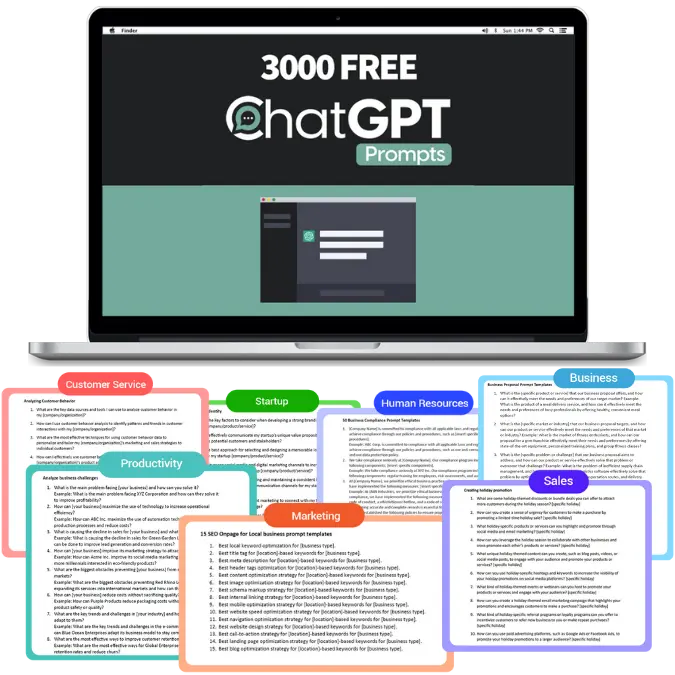
A useful incentive might be a practical checklist, short course, template, buying guide, calculator, discount, consultation, or carefully selected weekly briefing. Match the incentive to your audience’s immediate problem. A generic ebook can attract curious downloads that never become customers, while a focused worksheet may attract fewer people who have genuine intent.
Describe the benefit in concrete language. “Get five planning templates for your next campaign” is stronger than “Join our community.” Explain the format and delivery timing, but do not promise more than you can provide. If the incentive requires effort, show a preview or describe its contents so visitors can judge relevance before subscribing.
Your regular newsletter also needs a value proposition. State its subject, frequency, and distinctive perspective. For example, subscribers might receive one concise lesson every Tuesday, practical examples on Thursdays, and occasional product announcements. Specific expectations reduce uncertainty and help the right people opt in.
Choose Ethical Signup Methods
Consent should be informed, voluntary, and easy to withdraw. Use an unchecked permission box when local rules or your organization’s policy require explicit consent, and link to a readable privacy notice. Avoid adding people from purchased databases, scraped directories, event lists without permission, or preselected promotional boxes. These methods can damage trust, deliverability, and reputation.
Collect only information that supports a clear purpose. An email address may be enough for a newsletter. Ask for a name only when personalization or service delivery genuinely benefits from it. Extra fields reduce completion and create more responsibility for storing personal data securely.
Use a recognizable sender name and explain who operates the list. Include a working unsubscribe link in every promotional message. Honor requests promptly, and make leaving no harder than joining. A clear preference center can let subscribers reduce frequency or choose topics instead of abandoning every message.
Double opt in can confirm that an address belongs to the person who submitted it and can prevent accidental or malicious registrations. It may reduce immediate volume, but the resulting list is often cleaner. Select the confirmation approach that fits your legal obligations, audience, and risk tolerance.
Place Forms Where Intent Is Highest
Your website should offer several signup paths without overwhelming visitors. A dedicated landing page is useful for campaigns, advertisements, and social profiles because it presents one promise with minimal distraction. Add forms to relevant blog posts, resource pages, product pages, and the footer for visitors who have already found value.
Use contextual calls to action. A guide about budgeting can invite readers to download a budgeting worksheet; a product comparison can offer a buying checklist. Relevance creates a logical next step. Keep the form short, make the button describe the benefit, and place important reassurance nearby, such as frequency information or a privacy statement.
Popups can work when they respect the visitor. Trigger them after meaningful engagement, on exit intent, or after a delay rather than immediately covering the page. Make them easy to close on mobile, avoid deceptive buttons, and offer a real reason to subscribe. A persistent announcement bar can provide visibility without interrupting reading.
Offline channels can support growth when consent is explicit. At a workshop, explain exactly what attendees will receive and provide a simple digital signup route. Do not assume that exchanging a business card authorizes ongoing marketing. For retail or service businesses, train staff to describe the benefit accurately and record permission consistently.
Create Landing Pages That Convert
A landing page should focus attention on one audience, one problem, and one action. Begin with a headline that connects the incentive to a desired outcome. Follow with a short explanation, a visual preview, key benefits, and the form. Remove navigation if it distracts from the decision, but retain links required for trust, privacy, or accessibility.
Write benefits from the subscriber’s perspective. Instead of listing “ten pages,” explain that the resource helps someone plan a launch without forgetting essential tasks. Use bullets to make the contents scannable. If appropriate, include a brief demonstration, sample page, or plain-language explanation of who will benefit and who will not.
Design for mobile first. Use readable text, adequate spacing, clear contrast, and an input that opens the correct keyboard. Test the entire path: form submission, confirmation message, incentive delivery, welcome email, and unsubscribe process. A beautiful page cannot compensate for a broken delivery experience.
Test one meaningful variable at a time when possible. Compare two headlines, incentives, calls to action, or form placements. Measure completed subscriptions rather than clicks alone. A higher conversion rate is not automatically better if it attracts disengaged subscribers or increases complaints.
Deliver Immediate and Useful Welcome Messages
The welcome sequence establishes your relationship. Send the promised incentive promptly, identify the sender, and remind subscribers why they are receiving the message. Avoid burying the resource beneath a long sales pitch. The first email should make the subscription feel like a good decision.

A simple sequence can contain three or four messages. The first delivers the promised item and suggests one useful next step. The second teaches a related principle or shows how to use the resource. The third addresses a common mistake and points toward a deeper solution. A later message can introduce an appropriate product, service, or consultation.
Invite a reply. Ask what the subscriber is working on, which topic interests them, or what obstacle they face. Replies create insight and may improve engagement, but never pretend that a personal response is guaranteed if your team cannot provide one.
Segment when behavior or declared interests justify it. A subscriber who downloads a beginner guide should not automatically receive advanced material. Use forms, links, purchases, or topic preferences to create relevant groups. Keep segmentation manageable; a complicated system that nobody maintains produces inconsistent experiences.
Publish Content People Want to Keep Receiving
Growth without retention is a leaking bucket. Define recurring content pillars that connect your expertise with subscriber needs. Possible pillars include practical instruction, industry interpretation, behind-the-scenes context, product education, customer questions, and curated resources. Each email should have a clear job rather than a collection of unrelated announcements.
Teach before asking. Promotional messages are more persuasive when earlier emails have demonstrated competence and generosity. This does not mean avoiding sales. It means connecting an offer to a problem you have already helped readers understand.
Use a consistent structure. A recognizable opening, useful central idea, example, and next action can make messages easier to read. Keep paragraphs short, use descriptive subheadings, and place the most important point near the beginning. Write subject lines that accurately represent the email; curiosity should not become deception.
Make content specific. Replace broad encouragement with a process, decision rule, example, or caution. If discussing productivity, explain how to choose one priority, what to remove, and when to review results. Practical detail gives readers a reason to save, forward, and open future messages.
Improve Deliverability and List Health
Deliverability depends on technical setup, recipient behavior, and message quality. Use a reputable email service, authenticate your sending domain with the available standards recommended by your provider, and follow current guidance from mailbox operators. Keep sender information consistent so recipients recognize you.
Remove invalid addresses and monitor repeated bounces. Suppress contacts who have remained inactive for a meaningful period, but consider a re-engagement campaign first. Ask inactive subscribers whether they still want messages, offer a preference option, and explain how to remain subscribed. If they do not respond, removing them protects the experience of engaged readers.

Avoid tactics that resemble spam. Excessive punctuation, misleading subject lines, hidden text, purchased engagement, and sudden volume increases can create problems. Maintain a predictable schedule. If you change frequency, explain the change before it surprises subscribers.
Review complaint rates, bounces, delivery failures, opens, clicks, replies, conversions, and unsubscribe patterns together. Open data can be incomplete because privacy features and mailbox changes affect measurement. Clicks, replies, purchases, and other meaningful actions often provide stronger evidence of interest.
Measure Growth With Useful Metrics
Track the entire journey from visitor to valuable customer. A basic dashboard may include landing page visits, completed subscriptions, conversion rate, incentive delivery, engaged subscribers, unsubscribe rate, complaint rate, click rate, and revenue or qualified inquiries attributed to email.
Interpret metrics in context. A traffic source producing many subscribers may still be weak if those people rarely open or purchase. Conversely, a smaller source with high engagement may deserve more investment. Compare similar campaigns and time periods rather than treating one result as a universal truth.
Calculate acquisition cost when you pay for promotion. Include advertising, creative work, software, and personnel where practical. Compare that cost with the value generated over an appropriate period, not only with an immediate sale. Email can influence decisions that occur later, but attribution should remain honest and clearly defined.
Use experiments to learn, not to chase random peaks. Write a hypothesis, select a primary measure, run the test long enough to gather meaningful observations, and record the result. If the outcome is unclear, keep the stronger version or design a better test instead of declaring success prematurely.
Use Partnerships and Distribution Carefully
Partnerships can introduce your offer to a relevant audience. Collaborate on a webinar, expert interview, joint guide, referral arrangement, or educational event. The partner should have a complementary subject and a reputation worth associating with. Agree in advance on audience expectations, consent handling, promotion, and follow-up ownership.
Guest content can earn attention when it solves a real problem for the host’s readers. Include a natural next step, such as a specialized checklist or course, rather than a generic homepage link. The destination should repeat the promise made in the partnership promotion.
Paid promotion can accelerate testing, but do not use money to conceal a weak offer. Start with a narrow audience, monitor quality after signup, and pause campaigns that generate complaints or irrelevant contacts. Make advertising claims consistent with the landing page and welcome sequence.
Social platforms can support discovery, while email supports continued communication. Invite followers to a specific resource, publish excerpts from newsletter lessons, and use profile links strategically. Do not rely on social followers being reachable indefinitely; offer a clear reason to join your owned channel.
Answer Common Questions
How large should an email list be?
There is no universal target. The right size depends on your business model, audience, offer, and ability to serve subscribers well. A smaller list of relevant, engaged people can outperform a much larger inactive database. Set goals around qualified subscribers, engagement, conversions, and retention rather than raw addresses alone.
What is the best lead magnet?
The best incentive solves a narrow, urgent problem for the people you want to attract. It should be easy to understand, quick to use, and closely connected to your ongoing content or offer. A practical template often outperforms a broad report because its usefulness is immediately visible.
How often should newsletters be sent?
Choose a schedule you can maintain without lowering quality. Weekly is common, but daily, fortnightly, or monthly can work when expectations are clear. Tell subscribers the frequency during signup, then monitor engagement and feedback. If you need to change the schedule, communicate openly.
Should every subscriber receive the same email?
Not necessarily. Shared foundational content can serve everyone, while topic, lifecycle, location, or purchase segments can improve relevance. Begin with simple, meaningful groups. Segment only when the difference changes the message or recommendation; unnecessary complexity makes errors more likely.
How can I reduce unsubscribes?
First, accept that some unsubscribes are healthy. Review whether your promise, frequency, subject lines, and content match subscriber expectations. Give people a preference center, avoid sudden promotional bursts, and make educational messages genuinely useful. Never hide the unsubscribe link to preserve an inflated count.
Is buying an email list ever worthwhile?
Buying lists is generally a poor strategy because recipients did not knowingly request your messages. It can create legal, ethical, and deliverability risks while producing weak engagement. Build permission through relevant offers, partnerships, content, and transparent forms instead.
A Practical Launch Checklist
Define your audience, problem, value proposition, incentive, and newsletter promise. Choose a compliant email platform and configure authentication, sender details, privacy information, consent records, and unsubscribe handling. Create a focused landing page and at least two relevant website forms. Prepare the incentive, confirmation experience, welcome sequence, and first several regular emails before promoting the list.
Test every link, form, device layout, automated message, and preference option. Recruit a small internal review group to identify confusing language or broken steps, without asking them to inflate engagement. Launch one acquisition source first so you can understand quality. Then add partnerships, paid promotion, or additional content once the foundation works.
Review performance on a regular schedule. Identify where people abandon the journey: landing page, confirmation, delivery, welcome sequence, or ongoing newsletter. Improve the weakest stage with a specific change. This disciplined approach is more reliable than repeatedly redesigning everything.
Conclusion
Email list building succeeds when it treats subscribers as people, not inventory. Offer a relevant benefit, request permission clearly, deliver immediate value, and continue earning attention through useful communication. Place signup opportunities where intent is high, protect data, monitor deliverability, and measure meaningful outcomes rather than celebrating volume alone.
A persuasive list is built through consistency. Each landing page sets an expectation; each welcome email confirms it; each newsletter strengthens or weakens trust. Start with one focused audience and one compelling resource. Learn from behavior and replies, remove inactive or invalid contacts, and expand only when your system can preserve quality.
The result is more than a marketing channel. It is a dependable relationship with people who have chosen to hear from you. Respect that choice, make every message worthwhile, and your list can support education, community, and sustainable growth for years to come.