
Email List Building: A Practical Foundation
Email list building is the process of attracting people who willingly share their email addresses so you can communicate with them through useful, relevant messages. It is not simply a contest for the largest number of subscribers. A healthy list contains people who understand what they are signing up for, expect your content, and can benefit from your offers, advice, or updates.
The strongest approach combines a clear value proposition, visible signup opportunities, respectful permission practices, and consistent delivery. A visitor should quickly understand what they receive, why it matters, and how often you will contact them. When those answers are specific, subscriptions become more likely and future engagement becomes easier to sustain.
Email remains valuable because it gives you a direct communication channel. Social platforms can change their algorithms, formats, or policies, while an email list gives your organization a more stable way to nurture relationships. It can support education, product discovery, customer retention, event promotion, and feedback collection. However, ownership of the channel creates responsibility: collect consent, protect personal information, and make every message worth opening.
Define the Audience and the Promise
Before choosing a popup, landing page, or email service, decide whom you want to attract. A broad audience may seem attractive, but vague targeting often produces weak incentives and disengaged subscribers. Describe the person you can genuinely help, including their goals, obstacles, experience level, and likely questions. A small business serving first time gardeners, for example, should communicate differently from a supplier serving professional landscapers.
Next, create a simple signup promise. This promise explains the exchange between you and the subscriber. It might be a practical guide, a short email course, a planning template, product updates, or early access to relevant resources. The offer should solve a recognizable problem rather than merely announce that someone can “join the newsletter.”

A compelling promise includes three elements: a clear benefit, a believable format, and a reasonable expectation. “Receive five concise lessons that help you plan a seasonal vegetable garden” is more informative than “Get our free newsletter.” Avoid promising results you cannot control. An incentive should attract people who value your ongoing content, not people interested only in a one time giveaway.
Match the Offer to Intent
Different visitors have different levels of readiness. Someone reading an introductory article may appreciate a checklist or explanatory guide. Someone comparing products may want a buying guide, demonstration, or consultation. An existing customer may respond better to maintenance advice, new feature notices, or loyalty benefits. Matching the incentive to intent makes the subscription feel like a natural next step.
Use one primary call to action on each signup experience. Multiple competing offers can create hesitation. Supporting text may explain privacy, frequency, and cancellation, but the central action should remain obvious. Test language for clarity rather than relying on pressure. “Send me the planning guide” communicates more than a generic button labeled “Submit.”
Create Signup Experiences That Reduce Friction
A signup form should request only information that serves a clear purpose. An email address is usually enough for a basic newsletter. Asking for a name can help personalize messages, but personalization is not automatically worth adding another field. Phone numbers, job titles, birthdays, and detailed preferences require stronger justification because each extra question can reduce completion.
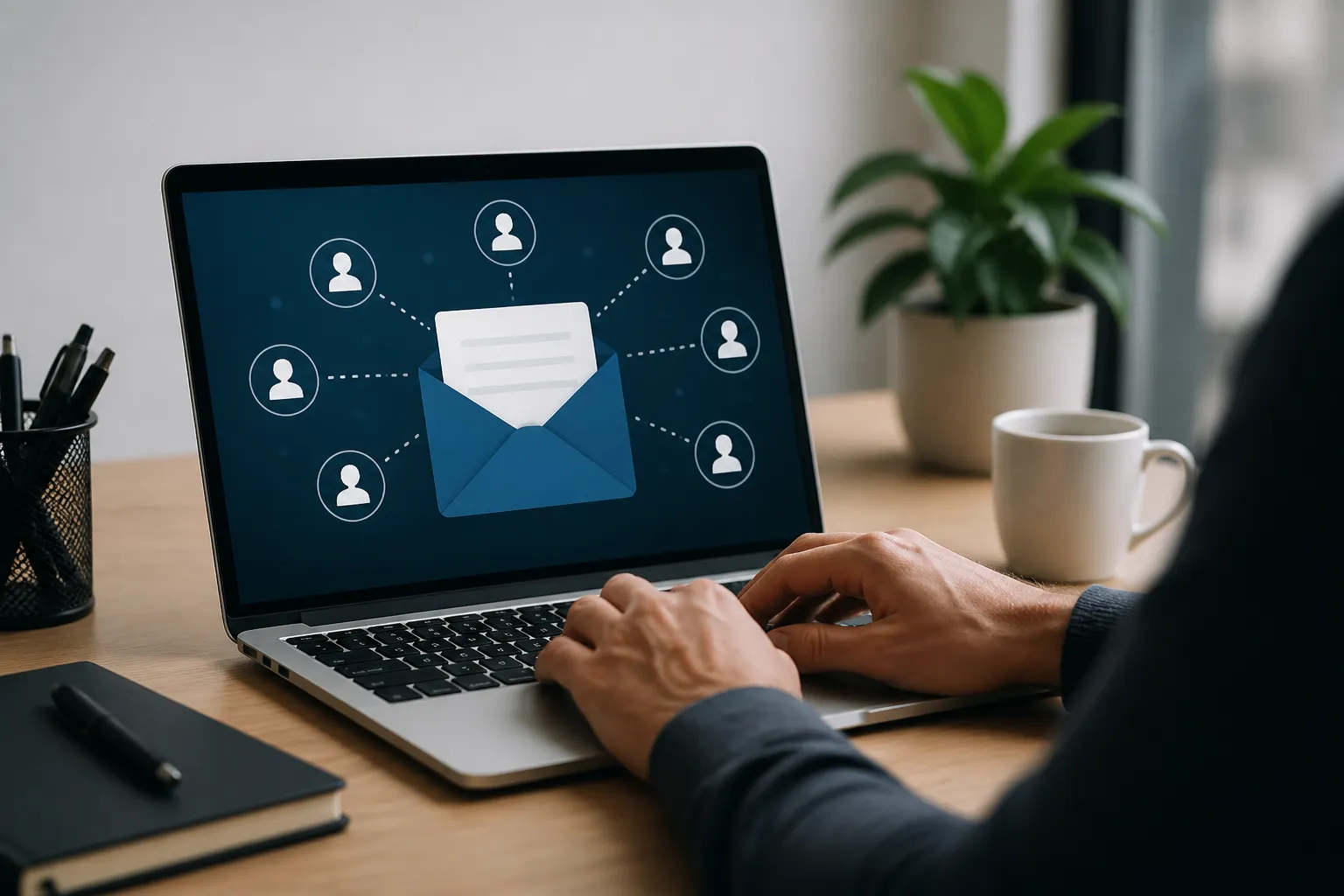
Make forms easy to find without making them disruptive. Useful placements include a prominent area on the homepage, the end of relevant articles, a dedicated landing page, a navigation link, and a checkout or confirmation page. A timed or scroll based prompt can work when it appears after a visitor has had time to understand the page. Avoid showing an intrusive form immediately, especially on small screens.
Your form should communicate what happens after submission. Mention the promised resource, approximate email frequency, and the type of content subscribers will receive. Include a link to your privacy notice where appropriate, and use consent language that is understandable rather than hidden in dense legal wording. Never preselect permission for unrelated marketing, and do not treat a purchased database as permission to contact people.
A confirmation page can extend the relationship. Tell subscribers to check their inbox, explain how to confirm if required, and offer one useful next action. That action might be reading a cornerstone guide, choosing a topic preference, or following a relevant social account. Keep the primary purpose clear: complete the subscription and begin receiving value.
Use Lead Magnets Responsibly
A lead magnet is a resource offered in exchange for an email address. Effective examples include checklists, calculators, templates, short courses, comparison guides, worksheets, and recorded demonstrations. The format matters less than usefulness. A plain, well organized checklist can outperform a visually impressive resource that lacks practical detail.
Build the resource around one defined job. If the visitor wants to prepare a budget, provide a usable budgeting worksheet rather than a broad essay about personal finance. If the visitor wants to improve onboarding, provide an implementation sequence, examples, and a way to assess progress. The resource should create a quick win while naturally showing why your broader expertise or products may be relevant.
Deliver the promised item promptly. A delivery email should identify the resource, provide an accessible link or attachment, and briefly explain what subscribers can expect next. Do not bury the download behind several promotional paragraphs. Trust is strengthened when the first interaction is direct and respectful.
Avoid making the lead magnet unnecessarily difficult to use. Test links, files, mobile formatting, accessibility, and instructions. If a worksheet requires software or special knowledge, explain that before signup. A disappointing resource can produce complaints and unsubscribes even when the form itself performs well.
Develop a Welcome Sequence
The welcome sequence introduces your standards. The first message should deliver the promised benefit and confirm the relationship. A second message can explain your perspective, methods, or useful resources. Another may invite a reply, ask about the subscriber’s goal, or guide the reader toward a relevant product or service. The exact number of messages should reflect your capacity and the complexity of the journey.
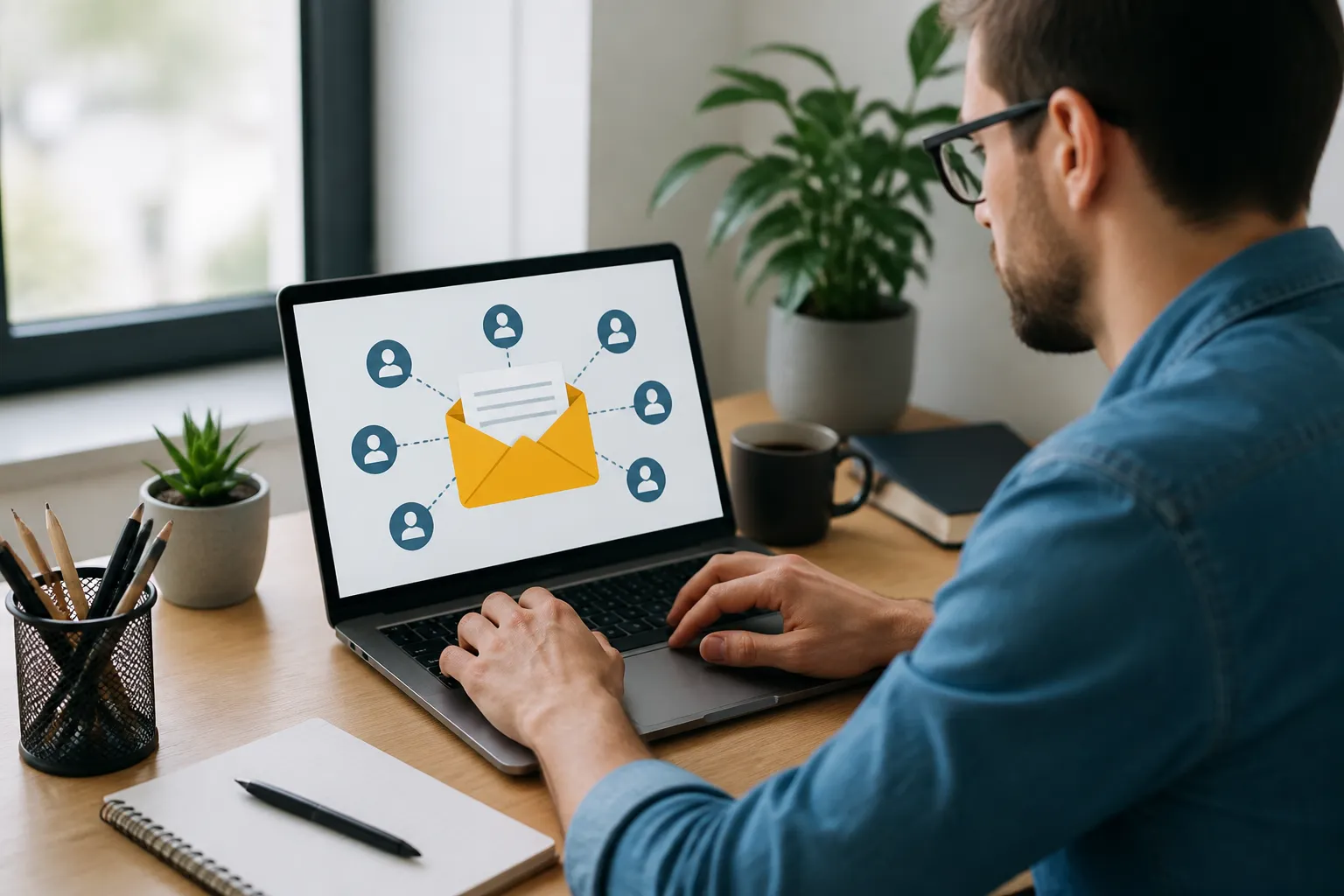
Each email needs one main purpose. A message attempting to teach, sell, survey, announce, and entertain simultaneously can feel unfocused. Use a clear subject line, concise opening, descriptive links, and readable formatting. Write for scanning, but provide enough context for the reader to understand why an action matters.
Set expectations honestly. State how often you normally send messages and what topics you cover. If frequency changes, explain the reason. Subscribers are more tolerant of variation when the communication remains relevant and predictable.
Invite replies where conversation is genuinely monitored. A simple question can reveal needs that analytics cannot show. Responses may also identify confusing language, missing resources, or common objections. If you cannot answer every message personally, provide an alternative contact route and do not imply individual support that does not exist.
Segment and Personalize with Care
Segmentation groups subscribers according to meaningful differences, such as interests, customer status, location, professional role, or actions taken. Personalization uses known information to make a message more relevant. Neither requires elaborate technology at the beginning. A preference link asking readers to select topics can produce useful signals while giving subscribers control.
Start with distinctions that change the message. If beginners need foundational explanations and experienced users need advanced tactics, separate those audiences. If customers should not receive acquisition offers for a product they already own, connect purchase information to campaign decisions. Avoid collecting data merely because your platform allows it.
Behavioral signals can be helpful but require restraint. An abandoned cart reminder may be useful, while repeated messages based on a single page visit can feel invasive. Explain preferences and provide simple controls. Let people reduce frequency or change topics instead of forcing the only alternatives to be total silence or complete unsubscribing.
Personalization should improve usefulness, not create a false impression of intimate knowledge. Check variable fields before sending, especially when importing names or company details. A strange greeting can damage confidence more than a neutral one.
Grow Through Content and Partnerships
Search friendly educational content can attract people who are already looking for answers. At the end of a useful article, offer a closely related resource rather than an unrelated generic newsletter. For example, an article explaining travel planning might offer an itinerary template. The connection should be obvious enough that the invitation feels helpful, not inserted solely for promotion.

Webinars, workshops, demonstrations, and community events can also support list growth. Registration forms should explain event details, follow up communication, and any separate promotional permission that applies. After the event, send a promised recording or summary promptly, then continue with related education rather than an immediate sequence of aggressive sales messages.
Partnerships can introduce your offer to a relevant audience. A partner should have genuine topical overlap and a reputation you are comfortable sharing. Make the subscription process transparent; the partner should not silently transfer addresses to you. A co-created guide, interview, or educational session usually builds more trust than a vague endorsement.
Referral programs may encourage existing subscribers to invite others. Clearly explain eligibility, rewards, and privacy expectations. Do not pressure people to spam personal contacts. The best referral invitation gives subscribers a useful reason to share, such as helping a colleague solve a related problem.
Improve Deliverability and List Quality
Deliverability means the likelihood that legitimate messages reach the inbox rather than being rejected, filtered, or placed in spam. It depends on many factors, including subscriber engagement, sending practices, message content, authentication, and the reputation of the sending domain. Use a reputable email service and follow its setup guidance for sender authentication.
Permission is the foundation of list quality. Use confirmed opt in when it suits your risk tolerance and audience, particularly when preventing mistyped addresses or documenting consent matters. Store consent information responsibly. Remove invalid addresses, handle repeated bounces, and monitor complaints.
Every email should make unsubscribing easy. A visible unsubscribe link is not a threat to growth; it helps uninterested recipients leave without marking messages as spam. Consider a preference center that allows reduced frequency or topic selection. Re-engagement campaigns can ask inactive subscribers whether they still want to hear from you, but do not continue indefinitely after clear nonresponse.
Keep your sender identity recognizable. Use a consistent name and address, write accurate subject lines, and avoid deceptive urgency. Review links, attachments, and tracking practices. Legal requirements vary by location and situation, so obtain appropriate professional advice when operating across jurisdictions or handling sensitive information.
Measure What Matters
Track the complete journey rather than celebrating signup volume alone. Useful measures include landing page conversion, confirmation rate, delivery failures, engagement trends, click activity, unsubscribe rate, complaint rate, and downstream actions such as registrations or purchases. Interpret metrics together. A high open rate with little meaningful action may indicate curiosity without relevance, while a lower rate can still support strong results if the audience is well matched.

Compare like with like. A campaign promoting a free guide should not be judged against a renewal message sent to customers. Establish a baseline, change one important element when possible, and allow enough time to observe behavior. Test the promise, form placement, subject line, message structure, or call to action, but do not change everything at once.
Qualitative feedback matters too. Read replies, support questions, survey comments, and unsubscribe reasons. These signals can reveal why people joined, what they expected, and where your content misses. Use findings to improve the offer, onboarding, and editorial plan rather than merely adjusting button colors.
A Practical Implementation Plan
Begin by documenting your audience, core promise, privacy approach, and primary conversion goal. Create one useful incentive and one focused landing page. Connect the form to a reputable email service, test delivery, and write a short welcome sequence. Confirm every link and view the experience on a phone before inviting traffic.
Next, place relevant signup invitations in existing content. Add a clear call to action to high value articles, product pages, and post purchase experiences where appropriate. Promote the resource through suitable partnerships, events, and organic channels. Keep a record of which source produced each subscriber so you can judge quality, not just quantity.
After the first period of sending, review engagement and complaints. Ask whether subscribers received what they expected, whether the frequency is sustainable, and whether the list contains duplicate or inactive records. Improve one weakness at a time. Growth becomes durable when acquisition, delivery, content, and retention receive equal attention.
Common Mistakes to Avoid
Buying lists creates risk and usually produces poor relevance. Scraping addresses, hiding consent, and adding people from unrelated transactions can damage trust and sender reputation. Another mistake is offering a resource that attracts an audience unlike the people you ultimately serve. A large list built on the wrong promise may cost more to maintain than a smaller, interested list.
Inconsistent sending also causes problems. Long silence followed by a sudden sales campaign can surprise subscribers and reduce engagement. Conversely, excessive frequency can make valuable content feel like noise. Choose a schedule you can maintain, then communicate changes.
Do not neglect the post signup experience. A beautiful form cannot compensate for a delayed download, broken link, unclear expectations, or generic content. Treat the first week as a critical trust building period.
FAQ
What is the best incentive for building an email list?
The best incentive is a useful resource closely connected to the visitor’s immediate goal and your ongoing expertise. A checklist, template, guide, or short course can work well when it delivers a clear outcome. Test relevance and usability rather than choosing a format because it is fashionable.
Should I use a popup?
A popup can increase visibility, but it should appear at a considerate moment and remain easy to close. Test timing, device behavior, frequency, and wording. If it interrupts reading or checkout, the added subscriptions may not justify the damaged experience.
How often should I email subscribers?
There is no universal schedule. Send often enough to remain familiar, but only when you have useful material. A predictable weekly, fortnightly, or monthly rhythm can work if the content and audience fit. Watch engagement, replies, unsubscribes, and complaints, then adjust transparently.
Is double opt in necessary?
Double opt in is not appropriate for every situation, but it can verify address ownership and reduce accidental or mistyped subscriptions. Its suitability depends on your audience, business model, compliance needs, and tolerance for incomplete confirmations. Explain the confirmation step clearly so legitimate subscribers know what to do.
How can I reduce unsubscribes?
Improve relevance before trying to prevent departures. Use segmentation, set expectations, control frequency, and make content genuinely useful. Offer a preference center or lower frequency option. Some unsubscribes are healthy because they remove people who are unlikely to engage.
What should I do with inactive subscribers?
First, send a respectful re-engagement message explaining what they will receive and offering options to stay, change preferences, or leave. If there is no meaningful response after a reasonable process, suppressing or removing inactive addresses can improve list hygiene. Retention should not mean keeping every record forever.
Conclusion
Effective email list building is a trust based system, not a one time campaign. Define a specific audience, offer a relevant benefit, request only necessary information, and explain the relationship before people subscribe. Deliver value promptly, communicate consistently, segment thoughtfully, and protect permission at every stage.
Measure subscriber quality alongside growth. A smaller audience that reads, replies, clicks, and becomes loyal is usually more valuable than a large collection of uncertain addresses. Begin with one strong offer and a dependable welcome experience, then improve through feedback and evidence. When every signup represents a clear, mutual exchange, your list can become a durable foundation for education, relationships, and sustainable business growth.