
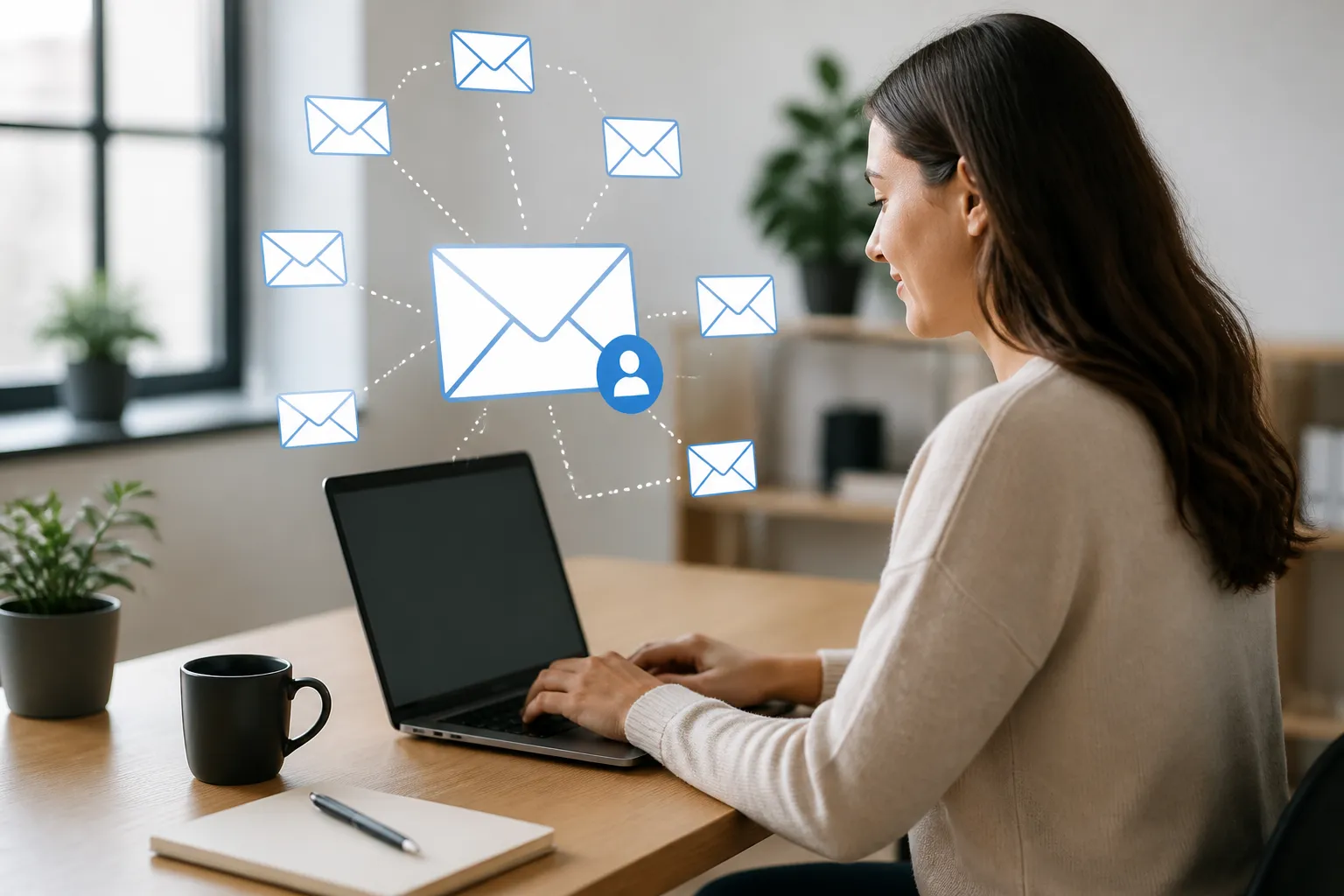
Email list building is the practice of attracting people who willingly share their email addresses so you can communicate with them directly. It is more than collecting contacts. A strong list connects the right audience with useful information, relevant offers, and consistent reasons to remain subscribed. When planned carefully, it becomes a dependable channel for education, relationship building, product promotion, and repeat engagement.
The most effective approach is permission based. Explain what subscribers will receive, request clear consent, store information responsibly, and make unsubscribing simple. Avoid buying lists or adding people without permission. Purchased contacts often produce low engagement, complaints, and damaged sender reputation. A smaller audience that expects your messages is usually more valuable than a large, unresponsive database.
This guide explains how to design an attractive signup experience, choose incentives, promote forms, write welcome messages, measure results, and improve performance over time. It also addresses common mistakes and answers practical questions so you can build an audience that is both useful and sustainable.
Email List Building: Create a Clear Reason to Subscribe
People rarely join a list merely because a business asks. They subscribe when the expected benefit is specific and credible. Your invitation should answer three questions quickly: What will I receive? How often will I receive it? Why is it worth sharing my address?
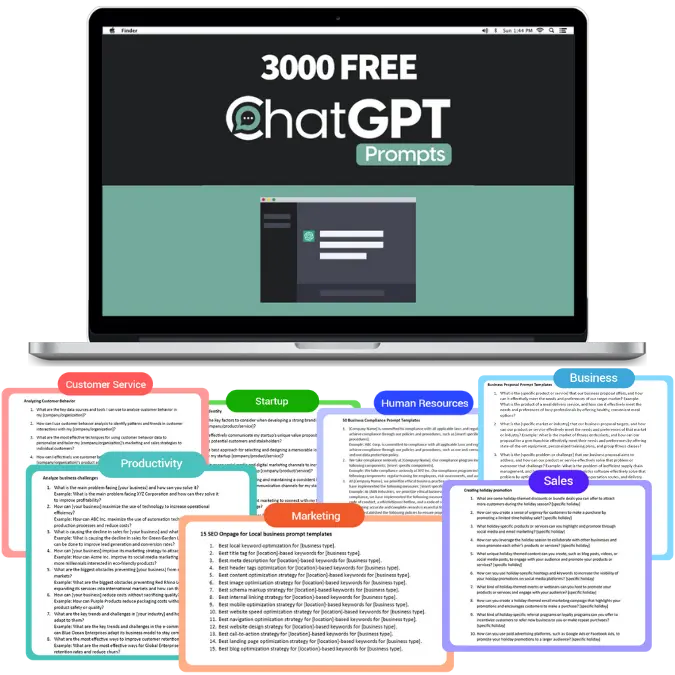
Useful incentives include a practical checklist, short guide, template, calculator, webinar, discount, private lesson, or curated update. The best incentive solves a problem your intended audience already recognizes. For example, a freelance designer might offer a proposal template, while a gardening business might provide a seasonal planting calendar. The offer should attract potential customers, not just people seeking unrelated free items.
Describe the benefit in plain language. “Get five weekly meal plans and a shopping list” is more persuasive than “Join our community.” Avoid promising benefits you cannot deliver. If subscribers expect weekly insights and receive occasional promotional messages instead, trust will decline.
Match the Offer to the Audience
Different visitors need different reasons to subscribe. A beginner may value an introductory guide, whereas an experienced buyer may prefer advanced examples, early access, or a product comparison. Segmenting incentives by audience problem can improve relevance, but it also increases management work. Begin with one strong offer for your primary audience, then expand after you understand subscriber behavior.
Your form should reinforce the promise. Use a short headline, one sentence of supporting copy, an obvious button, and only the fields you truly need. Asking for a name can enable personal greetings, but every additional field may reduce completion. Test whether collecting extra information creates enough value to justify the added friction.
Build Signup Opportunities Across the Customer Journey
One form in a website footer is easy to overlook. Place relevant signup opportunities where visitors are already considering your subject. A blog article can include a related checklist. A service page can offer a planning worksheet. A checkout page can request permission for future updates, provided the request is clear and compliant. A resource library can use registration to organize access to several useful materials.
Use different formats thoughtfully. An embedded form keeps the invitation visible within content. A dedicated landing page can focus attention on one offer. A slide-in may be useful after a visitor has read enough to understand your value. A timed or exit-intent message can work when it is respectful, easy to dismiss, and not displayed repeatedly. Intrusive interruptions may increase short-term signups while harming user experience, so judge the complete outcome rather than one metric.
Make forms accessible on mobile devices. Buttons should be easy to tap, text should be readable, and the page should load without unnecessary delay. Explain data use near the form when appropriate, link to relevant privacy information, and avoid prechecked marketing consent. A subscriber should understand what they are agreeing to before submitting.
Improve the Landing Page
A focused landing page should present one offer and one primary action. Start with the audience’s problem, show the promised result, explain what the resource contains, and address reasonable objections. A brief preview, sample page, or list of included topics can make an abstract benefit tangible. Testimonials may help when they are genuine and permission has been obtained, but never invent endorsements.
Keep navigation limited if distraction is a concern, yet do not hide essential information. State whether the resource is delivered immediately, whether promotional emails are included, and how subscribers can leave. After submission, show a confirmation message and explain the next step. If a confirmation email is required, tell the visitor to check the appropriate folder without implying that delivery is guaranteed.
Promote the List Without Overpromising
Promotion works best when it reflects existing audience relationships. Mention the list in educational articles, videos, podcasts, presentations, social posts, and customer conversations. Explain the particular benefit rather than repeating “sign up.” A social post could highlight one lesson from an upcoming email and invite readers to receive the complete framework.

Partnerships can broaden reach. A complementary business may share a joint workshop or resource, but both parties should make consent and data ownership clear. Do not automatically transfer one company’s subscribers to another. If two organizations communicate separately, each should obtain appropriate permission for its own messages.
Paid advertising can support list growth, but it should lead to a focused page with a clear promise. Track the source of subscribers and assess quality after signup. A campaign that produces inexpensive registrations but little reading, clicking, or purchasing may be less effective than a slower channel with stronger intent.
Offline methods also matter. Events, packaging, printed materials, and customer service interactions can invite people to join, but do not copy handwritten addresses into marketing software without clear permission. Use a simple signup process, such as a mobile form or a clearly described text-to-join method where available and lawful.
Design a Welcome Experience
The welcome sequence shapes expectations immediately. The first message should deliver or explain access to the promised incentive, identify the sender, and remind subscribers why they joined. A second message can teach a useful concept, while later messages may introduce your products, services, or best resources. Each email should have a clear purpose rather than serving as a general announcement.
A useful sequence often includes an introduction, a practical win, an explanation of your approach, an invitation to engage, and a relevant offer. The exact number and timing should fit your audience and capacity. Do not create an elaborate automation system that you cannot maintain. Consistency is more persuasive than a burst of messages followed by silence.
Write a recognizable subject line and preview text. Keep the body focused, use descriptive links, and make the call to action specific. “Download the worksheet” tells readers what will happen more clearly than “Learn more.” Include a plain route to unsubscribe in every marketing message. Respecting that choice protects trust and reduces complaints.

Use Segmentation Responsibly
Segmentation means sending more relevant messages to groups with meaningful differences. Useful signals may include signup source, stated interest, purchase status, content engagement, or location when genuinely needed. Ask only for information that improves communication, and let subscribers update preferences when possible.
A beginner guide can be sent to new learners, while advanced material suits experienced users. Customers may need usage advice rather than acquisition promotions. However, segmentation is not a substitute for good content. Complex labels built on weak assumptions can create confusion. Start with a few practical groups and review whether each one changes your message in a useful way.
Create Content People Want to Keep Receiving
List growth attracts attention, but content quality retains it. Plan a sustainable editorial rhythm around questions your audience repeatedly asks. Educational emails can explain a process, compare options, identify common errors, or provide a small action readers can complete immediately. Curated links can be valuable when you add context instead of merely forwarding headlines.
Promotional messages belong in a healthy relationship, especially when subscribers joined to hear about products. Connect an offer to a demonstrated need, explain who it suits, and state important limitations. Frequency should reflect audience expectations and business purpose. Sending too rarely may make the relationship unfamiliar; sending too often may create fatigue. Monitor behavior and ask subscribers what frequency or topics they prefer.
Use a consistent voice, but do not force personality into every sentence. Clarity matters more than cleverness. Check links, images, spelling, rendering, and mobile appearance before sending. A simple pre-send checklist prevents avoidable errors and protects credibility.
Measure Performance and Improve Systematically
Track the full journey from acquisition to outcome. Signup conversion shows how many visitors complete a form, but it does not reveal whether they are suitable subscribers. Delivery problems, opens, clicks, replies, unsubscribes, complaints, and purchases provide additional context. Email privacy features can make open data less precise, so avoid treating one metric as definitive.
Compare signup sources. A blog may produce steady registrations, an event may produce highly engaged contacts, and an advertisement may produce volume without strong retention. Use consistent tracking methods so the comparison is meaningful. Consider downstream value, including engagement and customer fit, rather than selecting channels solely by cost per lead.

Test one meaningful change at a time when possible. You might compare two headlines, incentives, button labels, form locations, or email subject lines. Give the test enough exposure to produce interpretable results, but recognize that audience size and outside events affect reliability. Record what changed and what happened. Small improvements compound when they are documented and repeated.
Diagnose Weak Results
Low signup conversion can indicate an unclear benefit, poor placement, excessive form fields, weak traffic alignment, or technical problems. High signup numbers with low engagement may indicate misleading promotion, poor targeting, or an incentive that attracts people who do not need your main offer. Many unsubscribes after a particular message may reveal a mismatch between expectation and content.
Improve the earliest relevant point rather than immediately sending more emails. Clarify the promise, make delivery dependable, set expectations, and ensure the first messages provide genuine value. If engagement declines, consider a preference campaign that lets subscribers choose topics or frequency. Some inactive contacts may be reengaged; others should eventually be suppressed to maintain a healthier audience.
Protect Trust, Privacy, and Deliverability
Treat email addresses as personal information. Follow the privacy and marketing requirements that apply to your organization and subscribers, which may vary by location and situation. Keep records of consent where appropriate, describe your communication purpose, protect stored data, and provide a working unsubscribe process. Consult qualified legal guidance when your activities involve sensitive data, multiple jurisdictions, or uncertain obligations.
Use a reputable email service that supports authentication, permission management, bounce handling, and suppression lists. Authenticate your sending domain according to the service’s guidance. Send from an address that recipients can recognize, avoid deceptive subject lines, and maintain accurate sender information. These practices support both transparency and delivery.
Never purchase or scrape addresses. Do not hide an unsubscribe link, repeatedly contact people who opted out, or use misleading incentives. A permission-based list may grow more slowly, but it creates a stronger foundation for meaningful communication.
FAQ
How quickly can a list grow?
Growth depends on traffic, offer relevance, trust, promotion, and conversion quality. There is no responsible universal timeline. Focus first on a repeatable process: present a useful offer, place it where interested people can find it, deliver the promise, and evaluate engagement. Sustainable growth is more important than an impressive but inactive total.
Should I offer a discount?
A discount can work when purchase intent is already present, particularly for a retail or service audience. It may attract bargain seekers who ignore later messages, however. Compare a discount with an educational resource and assess not only registrations but also later engagement, margin, and customer suitability.
How many emails should I send?
There is no ideal number for every audience. Set an expectation during signup, then follow a consistent rhythm that your team can maintain. Test frequency while watching clicks, replies, complaints, unsubscribes, and conversions. Offer preference choices when your audience has different information needs.
Should I use double opt-in?
Double opt-in asks a person to confirm their address before receiving ongoing messages. It can reduce accidental or mistyped signups and provide stronger evidence of intent, though some people may not complete confirmation. Consider your audience, risk, compliance requirements, and the importance of list quality. Whichever method you use, make the process transparent.
What should I do with inactive subscribers?
First, check whether inactivity reflects tracking limits, infrequent sending, or genuine lack of interest. Send a clear reengagement message offering choices such as staying subscribed, changing preferences, or leaving. If there is no response, suppressing inactive contacts can reduce unnecessary sending and improve the usefulness of performance data. Retain records only as appropriate for your obligations and policies.
Conclusion
Effective email list building is a system, not a single popup or temporary campaign. Offer a specific benefit, invite permission clearly, place relevant forms throughout the customer journey, and welcome new subscribers with useful content. Then segment thoughtfully, measure outcomes beyond raw list size, and improve one meaningful element at a time.
The persuasive advantage of email comes from earned attention. Subscribers have chosen a direct relationship, so protect that choice with honesty, relevance, dependable delivery, and easy control. Begin with one well-matched incentive and one consistent welcome sequence. As you learn which topics, sources, and messages attract engaged people, expand carefully. A trusted list can support education, sales, and long-term audience growth without sacrificing the experience that made people subscribe.